
Sustainability requires renewable energy, improving air quality, energy security, greenhouse gas emissions, cost, and job creation.
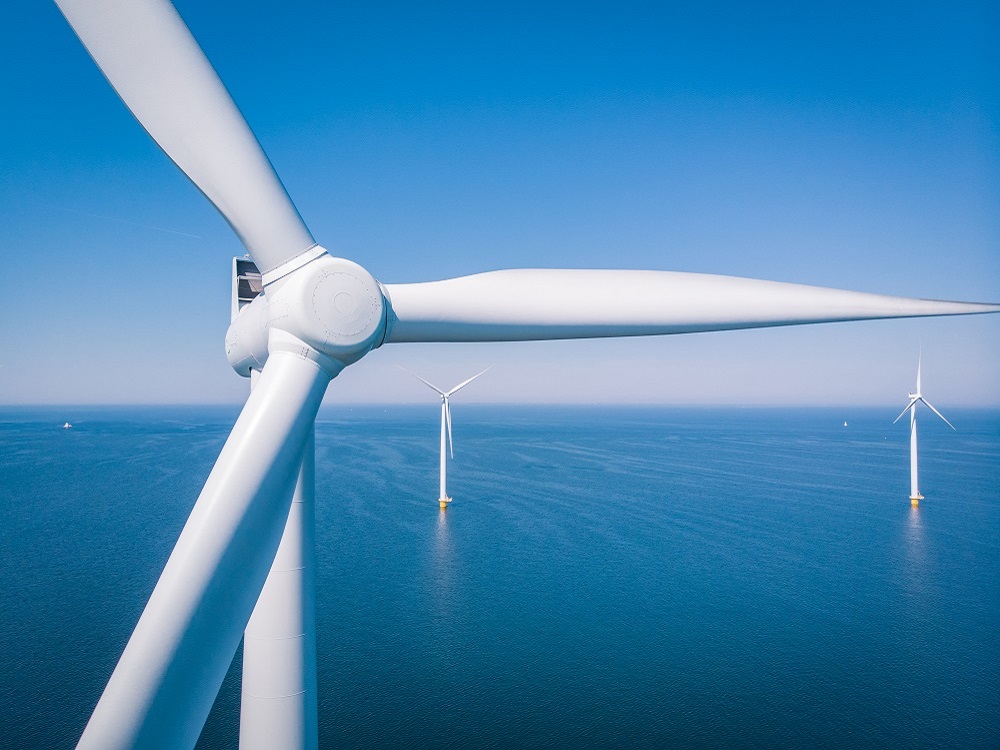
Wind energy is produced by using wind turbines, which consist of rotor blades connected to a shaft that drives a generator to produce electricity. When the wind blows, it causes the rotor blades to turn, which in turn rotates the shaft, generating electricity. The electricity produced by wind turbines can be fed into the grid for use by customers.
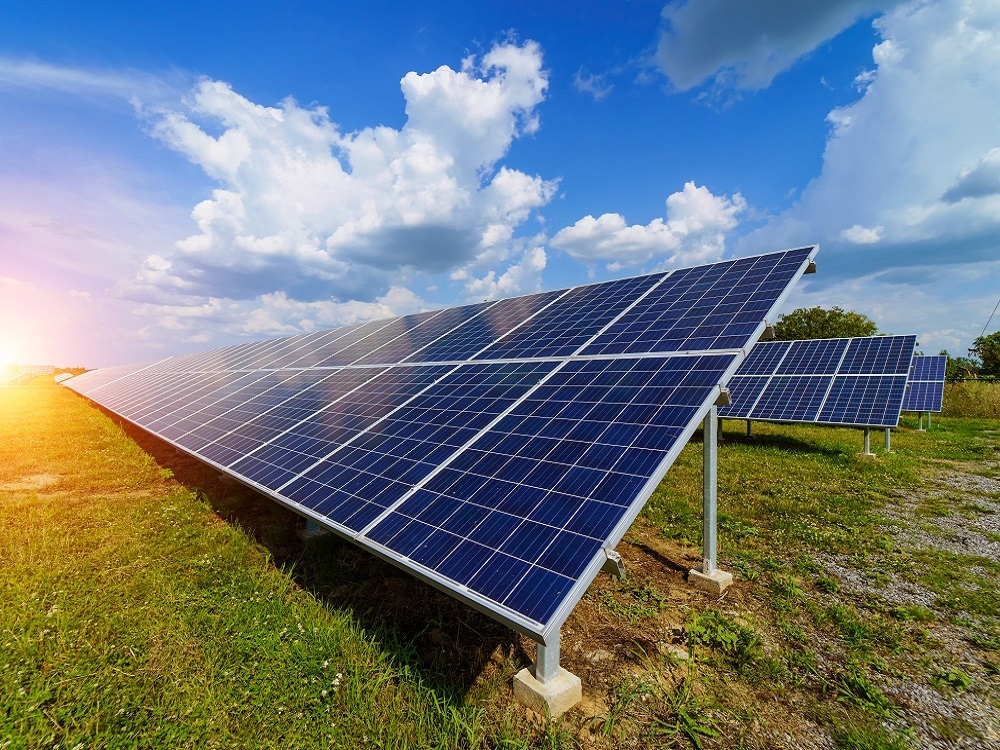
Solar energy is produced by using photovoltaic (PV) cells, which are made of semiconductor materials such as silicon. When photons from the sun's light hit the PV cells, they knock electrons free from the atoms in the semiconductor material, creating a flow of electricity. Solar energy can also be harnessed through the use of solar thermal systems.
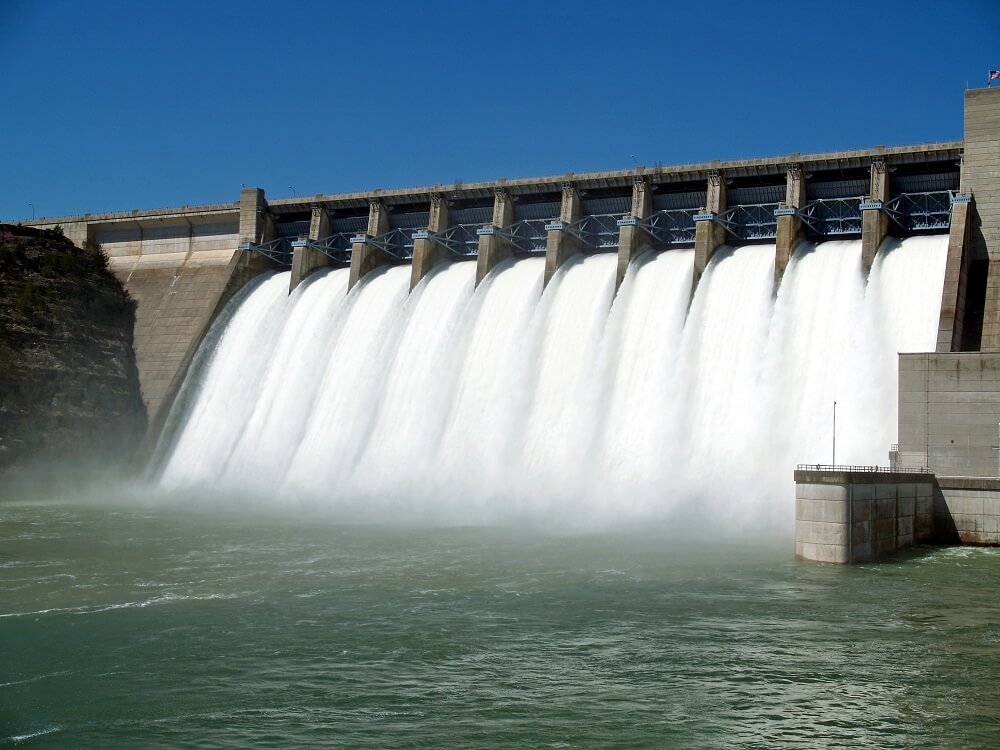
Hydroelectric energy is generated by using the force of moving water to turn turbines, which in turn drives generators to produce electricity. Hydroelectric power plants typically use dams to control the flow of water and create a reservoir or water storage behind the dam. When the water is released, it flows through tunnels and pipes, which turn the turbines and generate electricity.
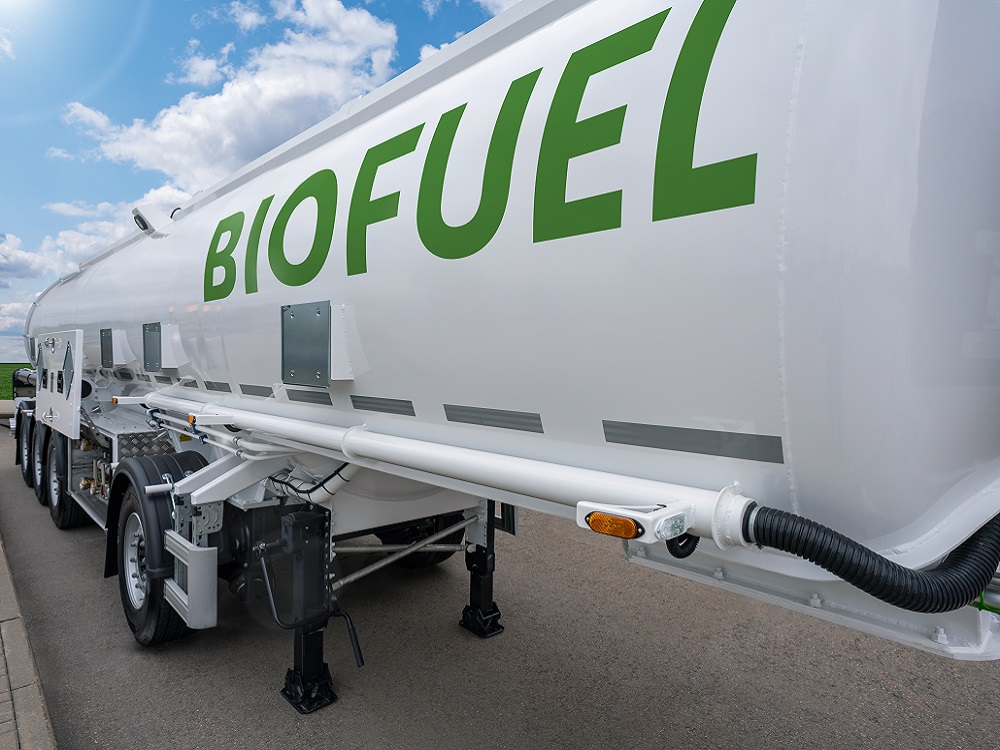
Bioenergy is produced from biomass, which is organic matter such as crops, wood, agricultural waste, and even landfill gas. Bioenergy can be used for heating, electricity generation, and transportation fuels. Bioenergy is typically produced by burning biomass, which releases energy in the form of heat. This heat can be used directly to produce steam, which can turn turbines to generate electricity.
Compliance and risk are always a challenge. Ensuring a balance is maintained is more important and ever with overlapping regulatory regimes extending their reach across multiple sectors.